Temasek Shophouse

[DRAFT: ALL TEXT & IMAGES ARE WORK IN PROGRESS]

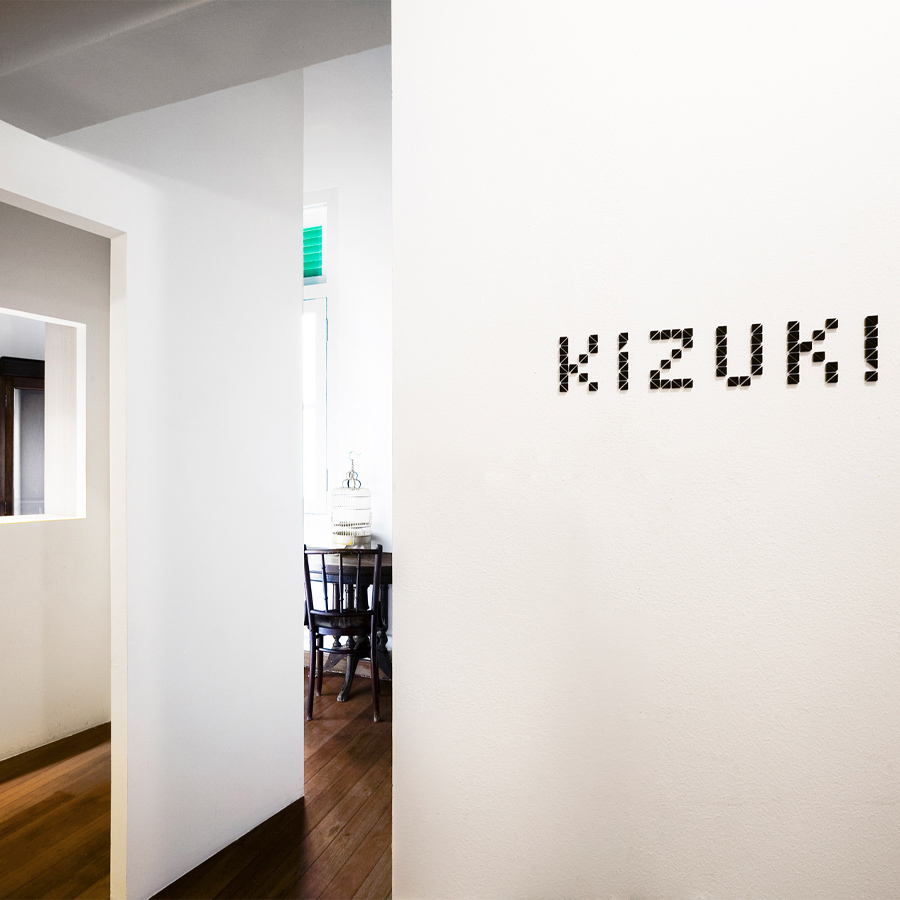
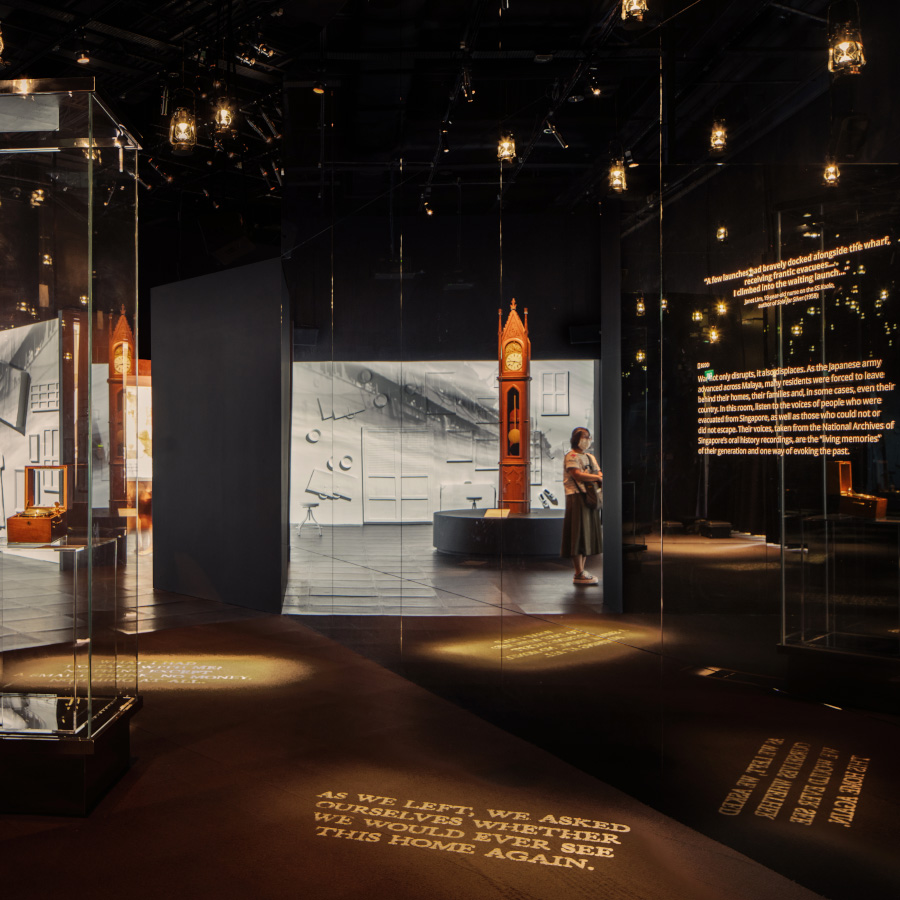
At the heart of the collective building lies a connecting spine—a common corridor that threads through the different shophouses.

A Living Room for the neighbourhood—welcoming all, from families and youth to staff and visiting delegates, and fostering incidental encounters and shared experiences.

DRAFT

DRAFT

DRAFT

DRAFT

DRAFT

DRAFT

DRAFT

DRAFT

DRAFT

DRAFT

DRAFT

DRAFT

DRAFT

DRAFT

DRAFT

DRAFT

DRAFT

DRAFT

DRAFT

DRAFT

DRAFT

DRAFT

DRAFT

DRAFT

DRAFT

DRAFT

DRAFT

DRAFT

DRAFT

DRAFT

DRAFT

DRAFT

DRAFT

DRAFT

DRAFT

DRAFT

DRAFT

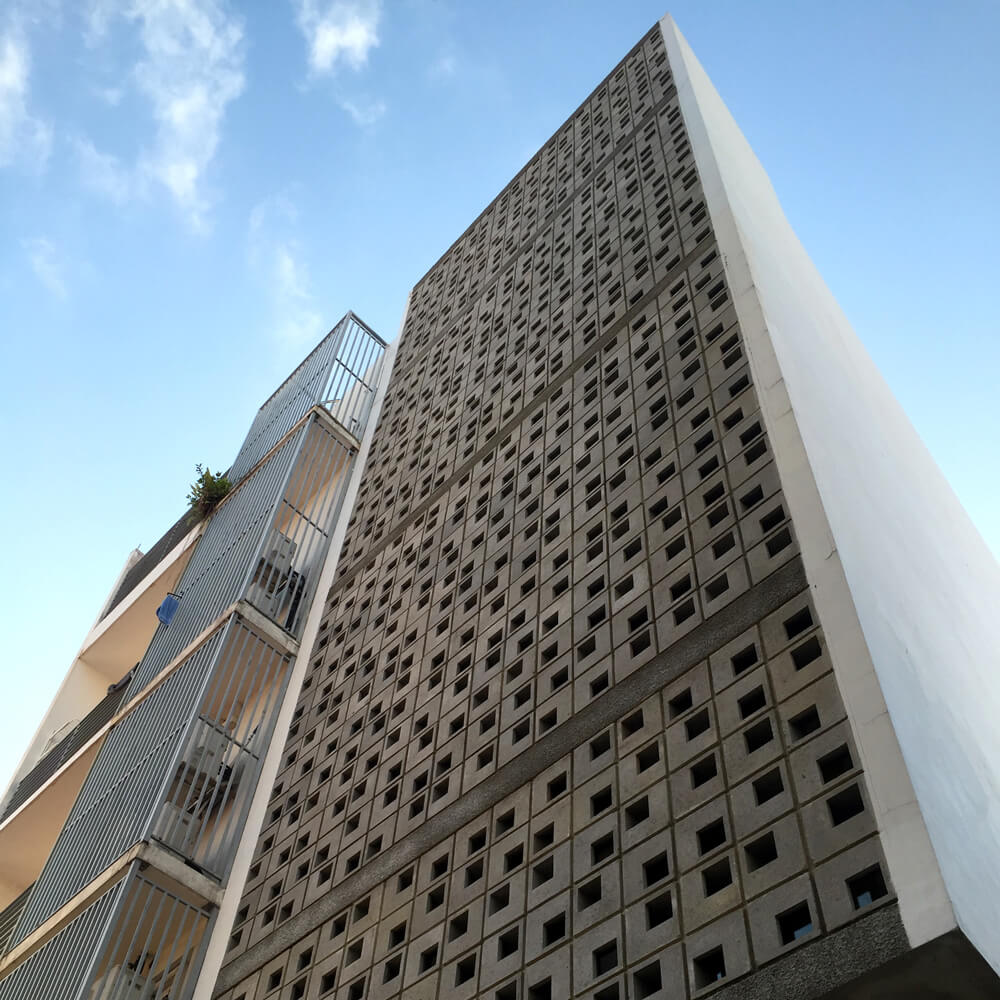
The revamp of Temasek Shophouse presented a rare challenge: four adjoining shophouses, built between the 1920s and 1940s, never originally intended to function as a single entity. Layered onto this was a multifaceted brief, requiring the integration of offices, meeting rooms, event halls, and public spaces—each with distinct operational and spatial needs— served under one roof.

Today, the space houses three event halls of varying scales, 60 co-working spaces, a media studio, a cafe coffee stand by Foreword Coffee, Peranakan restaurant by Bibik Violet, and a retail space Market by Abry. At the heart of this collective building lies a connecting spine — a common corridor that threads through the different shophouses, forming both a physical and social link.

In shaping the public spaces, our aim was community placemaking — to position Temasek Shophouse as a “living room” for the neighborhood. It needed to welcome all, from families and youth to staff and visiting delegates, fostering incidental encounters and shared experiences.

For the private and work areas, our focus shifted to the evolving nature of work. We explored the balance between communal and private spaces, and how meeting areas — formal or ad hoc — can support hybrid modes of collaboration. The goal was to make the workplace adaptable, human-centred, and future-ready.
Each shophouse carries its own identity, and we sought to celebrate rather than conceal their differences. Guided by the idea of a Straits identity, we introduced a unifying contemporary language — one defined by timeless tones, subtle material contrasts, and accents of green that draw nature into the interior and garden spaces.

Beyond architectural, we also wanted to highlight local creative heritage. We collaborated with Singaporean designers, artists and makers: Lekker, Studio Juju, Roger & Sons, Messymsxi, 8eyespud, Canlaken and Tiffany Loy.
Through these partnerships, the interior becomes a platform that exemplifies the local creative community — a space that feels both rooted and contemporary.

In working with the team from Studiolapis and Surbana Jurong, we ensured that conservation and design worked hand-in-hand. Key historical features were identified, preserved, and integrated sensitively into the new interior narrative.
Where possible, original elements were revealed and celebrated — from conserved flooring and mosaic tiles (now visible through vision panels), to exposed roof trusses, beams, and columns. These details anchor the modern interventions in authenticity, allowing the building’s layered history to remain legible within its renewed purpose.
LOCATION
Singapore
YEAR
2025
DISCIPLINE
INTERIOR, BRANDING, ENVIRONMENTAL GRAPHICS, EXHIBITION & CURATORIAL
TYPOLOGY
OFFICE/CO-WORK, MUSEUM/GALLERY, RETAIL/COMMERCIAL & PUBLIC SPACE
SIZE (SQM)
6000 SQM
TEAM
Selwyn Low, Tiah Nan Chyuan, Willie Koh, Ho Shuwei, Panna Chee, Bernando Nurtjahjana, Jaxe Pan, Lijin Tan, Christina Kiew, Claudwie Tan, Jaclyn Chan, Xiangai Foo, Png Junkiat, Wariya Cheersirikul, Amyra Mawan, Chrisvensia Layhadi, Dhia Shariffuddin, Felicia Melawi 
COLLABORATORS
Architect: Surbana Jurong  |   Landscape: Henning Larson  |   Lighting: Switch  |   Environmental: Atelier Ten  |   Collaborators: 8eyespud, Canlaken, Lekker, Messymsxi, New Day, Roger & Sons, Studio Juju, The Art Faculty, Tiffany Loy  |   Photographer: Formpractice, Darren Soh